

PROBIO SBS

STRUVITE ve KALSİYUM OKSALAT OLUŞUMUNU AZALTIR


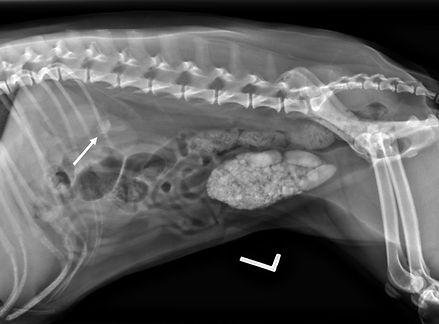
Kedide idrar kesesinde taş röntgeni
9 yaşındaki dişi köpekte idrar kesesinde ve sol böbrekte
çok sayıda struvite taşları röntgeni
PROBIO SBS ile struvit ve kalsiyum oksalat taşlarının neden olduğu idrar yolu hastalığı riskini azaltın.
Struvit (magnezyum amonyum fosfat) taşları, kedilerde en sık görülen idrar yolu taşlarıdır. Sodyum bisülfat, idrar pH'ını etkili bir şekilde düşürmesi, diyete fosfor eklememesi ve su alımını artırmaya yardımcı olması sayesinde idrar yolu taşlarını azaltmak için sağlıklı bir alternatif oluşturur. İdrarın asitlenmesi, mevcut kristalleri çözebilir ve yenilerinin oluşumunu önleyebilir.
Evcil hayvan mamasındaki tahıl oranı ne kadar yüksekse, idrarın pH değeri de o kadar yüksek olur. Yüksek pH seviyesine sahip ortamlarda kedinin alt idrar yollarında struvit taşları oluşabilir ve bu durum, yaygın alt idrar yolu hastalıklarına yol açabilir. Bazı durumlarda tam tıkanıklık meydana gelir. Kristal oluşumunu önlemek adına, 6,0 ila 6,5 arası bir idrar pH değeri kabul edilebilir bir aralıktır.
Struvit taşları (magnezyum amonyum fosfat), 1980'lerde kedilerde en sık görülen ürolit türüydü ve yakın zamanda yeniden en yaygın tür haline geldi. İdrar pH'ını düşürmek, diyetteki magnezyum ve fosfor seviyelerini azaltmak ve idrar hacmini artırmak, struvit oluşumunu kontrol altına almaya yardımcı olabilir. Sodyum bisülfat, idrar pH'ını etkili bir şekilde düşürmesi, diyete fosfor eklememesi ve su alımını artırmaya yardımcı olması sayesinde, idrar yolu hastalığı riskini azaltmak adına sağlıklı bir alternatif oluşturmaktadır.
İdrarı Asitlendirmenin Etki Mekanizması
Diyete sülfatlar eklendiğinde, sodyum bisülfat idrar pH'ını düşürür. "Kuru ve Yaş Mama ile Beslenen Kedilerde Diyetsel Katyon ve Anyonlar Kullanılarak İdrar pH'ının Tahmin Edilmesi" başlıklı çalışmadan alınan aşağıdaki alıntı, etki mekanizmasını daha ayrıntılı bir şekilde açıklamaktadır:
“Sodyum bisülfatın kedilerde idrar pH'ını düşürdüğü gösterilmiştir. Fosforik asitle kıyaslandığında, sodyum bisülfat içeren mamalar benzer bir idrar pH'ı düzeyini koruyabilmiş ve bu iki diyet asitlendiricisi arasında herhangi bir fark gözlemlenmemiştir.” “Besinlerle alınan kükürt (sülfat) ve diğer anyonlar (klorür ve fosfor) emildiğinde, katyon-anyon dengesi daha negatif bir duruma (metabolik asidoz yönüne) kayar. Bu durum, arteriyel hidrojen iyonu konsantrasyonunda bir artışa neden olur. Vücut, arteriyel kan pH'ını hafif alkali (yaklaşık 7,4) düzeyinde tutmaya çalışarak, hidrojen iyonlarındaki bu artışa dört farklı süreçle yanıt verir.”
Bu süreçler şöyledir:
-
Hücre dışı tamponlama;
-
hücre içi ve kemik tamponlaması;
-
solunumsal tamponlama; ve
-
fazla hidrojen iyonlarının böbrekler yoluyla uzaklaştırılması.
İlk üç süreç, böbrekler asit-baz dengesini yeniden sağlayana kadar hidrojen konsantrasyonundaki artışı en aza indirmeye çalışır. Böbrekler, fazla hidrojen iyonlarını idrar yoluyla atıp idrarın pH'ını düşürerek asit-baz dengesini yeniden sağlar.

Kalsiyum Oksalat Taşları
Araştırmalar, diyetteki yüksek kalsiyum seviyelerinin idrar kalsiyum konsantrasyonunu artırarak kalsiyum oksalat oluşumu riskini yükseltebileceğini göstermektedir. Diyete fosforik asit eklendiğinde, kemik kaybını önlemek için kalsiyum/fosfor oranını korumak amacıyla ek kalsiyum gerekebilir. Fosforik asit, içerikleri korumak, lezzeti artırmak ve idrarı asitleştirmek için kullanılır. Aynı diyette bu kullanımların birleşimi, fosforu dengelemek için yüksek kalsiyum seviyeleri gerektirebilir. PROBIO SBS, fosfor eklemeden içerikleri korur, lezzeti artırır, idrarı asitleştirir ve su tüketimini teşvik eder.
LEZZETİ ARTTIRIR
Araştırmalar, kedilerin nötr veya alkali gıdalara kıyasla asidik pH değerine sahip gıdaları tercih etme eğiliminde olduğunu göstermiştir; bu durum, hayvan sindiriminde ve lezzet artırıcılarda asit kullanımında belirleyici bir faktördür. SBS'nin yüksek asitliği, evcil hayvan maması üreticilerinin, kedilerin arzuladığı o temiz ve ekşi tadı daha düşük bir konsantrasyonla sunmalarına yardımcı olur.

SBS'nin kedi mamasının lezzetliliği üzerindeki etkilerini belirlemek amacıyla, önde gelen bir ABD'li evcil hayvan maması üreticisi, bağımsız bir hayvan test tesisinde yirmi kedi üzerinde iki gün süren standart bir "iki kaplı" lezzet testi gerçekleştirdi. Testte, içeriğinde %0,9 sodyum bisülfat (SBS Pet) veya %0,8 fosforik asit bulunan, tavuk ve pirinç bazlı tipik bir ekstrüde kedi maması kullanıldı.
Kedilerin ilk tercihleri ve toplam mama tüketimleri izlendi. Elde edilen veriler, her iki gözlemde de SBS Pet içeren mamaya yönelik sayısal bir eğilim olduğunu gösterdi. Nitekim SBS Pet™ içeren mama, fosforik asitli mamaya kıyasla 2,25:1 oranında tercih edildi ve 1,42:1* oranında tüketildi (Şekil 1 ve 2) (*2 günlük süre ve 20 kedinin toplam tüketimi).
Hayvanlar üzerinde gerçekleştirilen lezzet testleri, tercih ve tüketilen miktar hakkında bilgi sağlar; ancak tadın ayrıntılarına dair bilgi sunmaz.
SALMONELLA VE DİĞER PATOJENLERİ KONTROL EDER
Sodyum bisülfatın (SBS), ekstrüde evcil hayvan mamasına uygulandığında Salmonella kontaminasyonunu bir ila iki logaritma düzeyinde azalttığı gösterilmiştir. Gıda üretiminde kullanılan yaygın asitler arasında sodyum bisülfat en düşük pKa değerlerinden birine (1,99) sahiptir; ayrıca fosforik aside kıyasla daha düşük miktarlarda kullanıldığında oldukça etkili ve maliyet açısından avantajlıdır.

Evcil hayvan mamaları, patojenik *Salmonella* suşlarının insanlara bulaşmasıyla ilişkilendirilmiştir. *Salmonella* kontrolüne yönelik çeşitli stratejiler; tedarikçi denetimlerinin, tehlike analizi ve kritik kontrol noktaları (HACCP) planlarının ve "beklet-ve-serbest bırak" (hold-and-release) programlarının artmasını sağlamış olsa da, her üreticinin kendine özgü kontrol sistemleri geliştirmesi gerekmektedir.
Evcil hayvan maması üretim süreci, *Salmonella* varlığını nispeten düşük seviyede tutan ısıl işlem aşamalarını (ön koşullandırma ve ekstrüder) içerir. Ancak, ekstrüder sonrasındaki yeniden bulaşma (kontaminasyon) nedeniyle vakalar görülmeye devam etmektedir.
Bu yeniden bulaşma, taşıma sistemi içinde *Salmonella* üremesinden veya hava işleme sistemlerindeki havada bulunan tozdan kaynaklanabilir. Böyle bir durumda, tespit edilen *Salmonella*'nın yalnızca mama peletlerinin yüzeyinde bulunması da mümkündür; bu durum, bir yüzey aktif bileşiğin etkili olabilmesine olanak tanıyabilir.
SBS ile Asitlendirmenin Çoklu Faydaları
Bağımsız laboratuvarlarda yapılan araştırmalar, SBS'nin ana bileşeni olan sodyum bisülfatın, ekstrüde edilmiş kuru evcil hayvan mamalarının yüzeyindeki Salmonella kontaminasyonunu kontrol altına aldığını göstermiştir. SBS, Salmonella kontrolünün yanı sıra; kedi idrarını asitlendirmek, pH değerini düşürmek ve yumuşak ödül mamaları ile sıvı sindirim ürünlerinde mikrobiyal kontrol sağlamak amacıyla evcil hayvan mamalarında halihazırda kullanılmaktadır (Aldrich, 2012).
SBS; asit gücü ve kuru, fiziksel yapısı gibi, mama tanelerinin yüzeyindeki Salmonella kontaminasyonuna karşı etkili olmasını sağlayan benzersiz özelliklere sahiptir.
Asit gücü, pKa değeri ile ifade edilir. pKa değeri ne kadar düşükse, asit o kadar güçlüdür. pH değeri 3,6'nın altında olan uygulamalarda, fosforik asit dahil olmak üzere yaygın olarak kullanılan diğer asitlere kıyasla daha az miktarda SBS Pet kullanımı yeterli olmaktadır; bu durum evcil hayvan mamaları, ödül mamaları, sıvı gübreler veya düşük pH gerektiren diğer tüm uygulamalarda maliyetleri düşürür. Sodyum bisülfat, gıda üretiminde kullanılan yaygın asitler arasında en düşük pKa değerlerinden birine (1,99) sahiptir.

Kuru asitler, yüzeyle reaksiyona girmeden toz haline getirilip yem granülleri üzerine serpilebildikleri için Salmonella kontrolünde avantajlıdır. Öte yandan sıvı asitler, yüzey bileşenleriyle reaksiyona girer ve temas ettikleri proteinler ile diğer tamponlayıcı maddeler tarafından nötralize edilir; bu da Salmonella kontrolündeki etkinliklerini azaltır.
STABİLİTEYİ ARTTIRIR, RAF ÖMRÜNÜ UZATIR
SBS, pH'ı hızla düşürme yeteneği sayesinde evcil hayvan maması, yumuşak atıştırmalıklar ve sindirim sistemi ürünlerinin formülasyonlarını stabilize etmeye yardımcı olur; bu da evcil hayvan maması ürünlerindeki mikrobiyal gelişimi kontrol altına alarak raf ömürlerini en üst düzeye çıkarır.

FORMÜLASYON KOLAYLIĞI SAĞLAR
SBS ilavesi, kalsiyum/fosfor oranını etkilemeden lezzetliliği artırma ve kedilerin sodyum ile sülfat gereksinimlerini karşılama dahil olmak üzere, evcil hayvan maması formülatörlerine çeşitli avantajlar sunar.
Kalsiyum/Fosfor Oranı
SBS, kalsiyum/fosfor oranını etkilemeksizin rasyonun asitliğini artırır ve lezzetini iyileştirir. Rasyondaki ideal kalsiyum-fosfor oranı 1:1'dir. Bu oranın çok yüksek olması fosfor emilimini olumsuz etkileyebilir; çok düşük olması ise kemik kaybı dahil olmak üzere kalsiyum eksikliğinden kaynaklanan pek çok beslenme sorununa yol açabilir.
SodYUM
Sodyum, kedilerin beslenmesinde önemli bir bileşendir. Güncel çalışmalar, kedilerin sodyum gereksiniminin, Ulusal Araştırma Konseyi (1986) tarafından önerilen 0,5 g/kg'lık besinsel değerden daha yüksek olduğunu göstermektedir. Yetişkin kedilerin idamesi için minimum 0,8 g/kg'lık bir besinsel sodyum gereksinimi önerilmektedir. Sodyum eksikliği yaşayan kedilerde iştah kaybı, kilo kaybı, hiponatriüri ve negatif sodyum dengesi görülebilir. Beslenmeye SBS eklenmesi, bu daha yüksek sodyum gereksiniminin karşılanmasına katkıda bulunabilir.
Sülfat
Sodyum, kedilerin beslenmesinde önemli bir üründür. Güncel çalışmalar, kedilerin beslenmesinin, Ulusal Araştırma Konseyi (1986) tarafından önerilen 0,5 g/kg'lık besin değerlerinden daha yüksek olduğunu göstermektedir. Yetişkin kedilerin idamesi için minimum 0,8 g/kg'lık bir besinsel şartların sağlanması. Sodyum eksikliği yaşayan bölgelerdeki iştah kaybı, kilo kaybı, hiponatriüri ve negatif sodyum dengesi görülebilir. Beslenmeye SBS eklenmesi, bu daha yüksek sıcaklığın karşılanmasının sağlanması bulunabilir.

Sistemik fosfat dengesi. Berndt ve Kumar'ın çalışmasındaki Şekil 2'ye dayanmaktadır; değiştirilmiş ve izin alınarak kullanılmıştır.